Notion for ADHD: Taming the "Brainstorm" with Personalized Systems
📅
For individuals with ADHD, the quest for organization can often feel like an uphill battle. Distractibility, impulsivity, and executive dysfunction can create significant hurdles in managing daily tasks, projects, and even thoughts. Traditional organizational tools, with their rigid structures and overwhelming features, can sometimes exacerbate these challenges. In fact, studies show that adults with ADHD are significantly more likely to experience chronic disorganization, impacting their productivity and overall well-being. But what if there was a digital workspace that could adapt to the unique needs of the ADHD brain, fostering focus and productivity without sacrificing flexibility?
 Enter Notion, a versatile platform that's gaining popularity as a powerful organizational tool, especially when combined with a "gentle productivity" approach. This approach, championed by Notion expert Charlene Morel, emphasizes respecting individual rhythms, embracing small, daily actions, and prioritizing self-compassion over perfectionism. Charlene helps freelancers and students create customized organizational systems tailored to their individual needs, brains, rhythms, and goals. She offers Notion templates (both free and premium), custom Notion spaces, personalized support, and workshops/training to help people take control of their organization.
This article explores how Notion, when personalized with gentle productivity principles, can be a powerful tool for managing ADHD symptoms and fostering a more organized and focused life.
Enter Notion, a versatile platform that's gaining popularity as a powerful organizational tool, especially when combined with a "gentle productivity" approach. This approach, championed by Notion expert Charlene Morel, emphasizes respecting individual rhythms, embracing small, daily actions, and prioritizing self-compassion over perfectionism. Charlene helps freelancers and students create customized organizational systems tailored to their individual needs, brains, rhythms, and goals. She offers Notion templates (both free and premium), custom Notion spaces, personalized support, and workshops/training to help people take control of their organization.
This article explores how Notion, when personalized with gentle productivity principles, can be a powerful tool for managing ADHD symptoms and fostering a more organized and focused life.
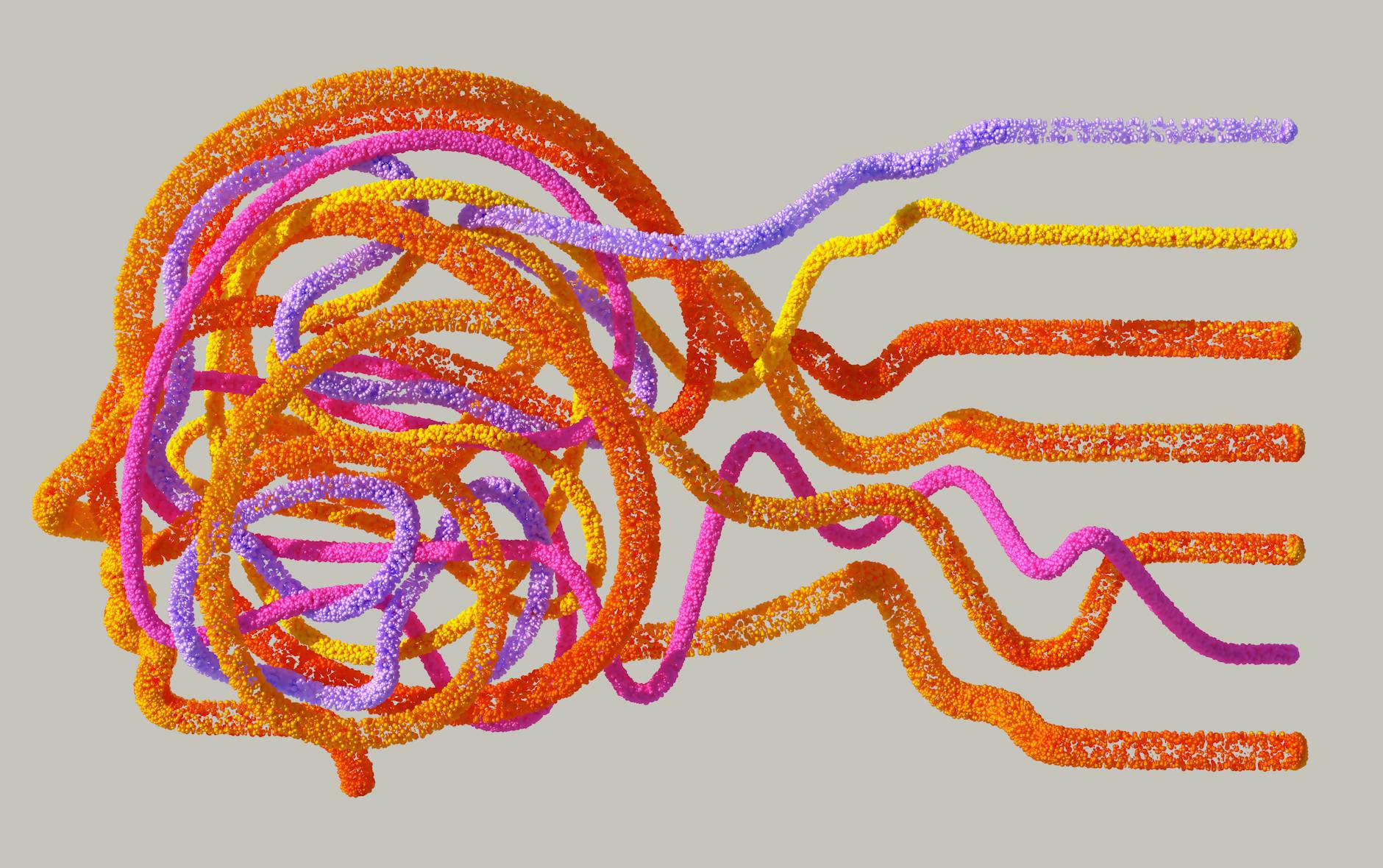

A visual representation of the many symptoms of ADHD that Notion can help manage.
Understanding the Power of Notion for ADHD: Why It Works
Notion's appeal for individuals with ADHD lies in its unique combination of flexibility, visual organization, and centralized workspace. Unlike rigid, pre-set organizational tools, Notion allows you to build a system that truly reflects your individual needs and preferences.Flexibility and Customization
Notion's database structure is key to its adaptability. Think of it as a digital Lego set – you can create databases for tasks, notes, projects, and more, and then connect them in meaningful ways. This allows you to tailor your system to your specific workflow and cognitive style. You can create a system that works for you, instead of trying to force yourself to work within a pre-defined structure. For example, someone who struggles with task initiation could create a "Quick Capture" button on their dashboard that instantly creates a new task entry with pre-filled properties like "Priority: High" and "Due Date: Today." This removes the friction of having to manually create a task and encourages immediate action.Visual Organization and Information Hierarchy
The ADHD brain often thrives on visual cues. Notion's visual interface, with its drag-and-drop functionality, color-coding options, and ability to embed images and videos, can be a game-changer. By creating clear information hierarchies and using visual aids, you can reduce overwhelm and make it easier to find what you need. Imagine a project dashboard where tasks are color-coded by priority, deadlines are clearly displayed, and relevant documents are easily accessible – all in one visually appealing space. For instance, you could use a Kanban board view to visually track the progress of tasks, moving them from "To Do" to "In Progress" to "Done." The visual representation of progress can be highly motivating and help combat the feeling of being overwhelmed.Centralized Workspace
One of the biggest challenges for individuals with ADHD is context switching – constantly jumping between different tasks and applications. Notion addresses this by providing a centralized workspace where all your information – tasks, notes, projects, and resources – lives in one place. This reduces the cognitive load of switching between different tools and helps you stay focused on the task at hand. Instead of having separate apps for note-taking, task management, and project planning, you can consolidate everything within Notion. This eliminates the need to constantly switch between different applications, reducing distractions and improving focus.The "Second Brain" Concept
The "Second Brain" methodology, popularized by Tiago Forte, emphasizes the importance of capturing and organizing your thoughts and ideas in an external system. For individuals with ADHD, who often struggle with working memory, Notion can act as an invaluable "Second Brain," serving as an external hard drive for thoughts, ideas, and information. This allows you to free up mental space and focus on the task at hand, knowing that your ideas are safely stored and easily accessible. Imagine you're in a meeting and a brilliant idea pops into your head. Instead of trying to remember it later, you can quickly jot it down in your Notion "Second Brain" and categorize it for future reference. This allows you to stay present in the meeting without worrying about losing your train of thought.
A visual representation of the tangled thoughts and ideas that can overwhelm someone with ADHD, symbolizing the power of Notion to help untangle and organize these thoughts into a manageable system.
Building Your Personalized Notion System: A Step-by-Step Guide
Creating a Notion system that works for your ADHD requires a personalized approach. Here's a step-by-step guide to get you started:Identifying Your Specific ADHD Challenges
The first step is to identify your specific ADHD-related challenges. Do you struggle with task initiation? Time blindness? Working memory? Take some time to reflect on your personal struggles and identify the areas where you need the most support. Common ADHD-related challenges include: Task Initiation:Difficulty starting tasks, even when you know they need to be done. *Time Blindness:Difficulty perceiving the passage of time, leading to missed deadlines and poor time management. *Working Memory:Difficulty holding information in mind while performing tasks. *Distractibility:Easily getting sidetracked by external stimuli or internal thoughts. *Impulsivity:Acting without thinking, leading to poor decision-making. For example, if you struggle with task initiation, you can use Notion to break down large tasks into smaller, more manageable steps. If you struggle with time blindness, you can use Notion's calendar integration to visualize your schedule and set reminders for upcoming deadlines. If you struggle with working memory, you can use Notion as a "Second Brain" to store important information and reduce cognitive overload.Setting Up Your Core Notion Workspace
Once you've identified your challenges, you can start building your core Notion workspace. This typically includes a central dashboard, a task management system, and a note-taking system.Creating a Central Dashboard
Your dashboard should serve as your home base in Notion. Consider including key elements such as: Daily tasks Upcoming events Quick notes Links to important databases and pagesDesigning a Task Management System
Use databases to track your tasks. Implement clear task statuses (e.g., To Do, In Progress, Done), utilize due dates and reminders, and consider adding priority levels and context tags.Creating a Note-Taking System
Use different page templates for various types of notes (meeting notes, project ideas, etc.). Implement a tagging system for easy retrieval.Implementing Charlene's "Gentle Productivity" Principles
Charlene Morel's "gentle productivity" approach is particularly well-suited for individuals with ADHD. It emphasizes:Focus on Small, Manageable Steps
Break down large tasks into smaller, more achievable subtasks. Use the "Pomodoro Technique" within Notion to work in focused bursts with short breaks.Prioritize Self-Compassion and Flexibility
Avoid perfectionism and embrace imperfection. Allow for adjustments and changes to the system as needed. Remember, your Notion system is a living document that should evolve with your needs.Celebrate Small Wins and Progress
Track your progress and acknowledge your accomplishments. Use Notion to visualize your progress and stay motivated.Notion Templates for ADHD: Practical Examples and Inspiration
Here are some Notion template ideas to get you started: *Task Management Template:A database with columns for task name, due date, priority, status, and context tags. Consider adding a "Focus Mode" view that only shows tasks with a "High" priority and a due date of "Today." This can help you avoid feeling overwhelmed by a long list of tasks. *Habit Tracker Template:A database to track daily or weekly habits, with visual progress indicators and reflection prompts. Include a "Streak" property that automatically calculates the number of consecutive days you've completed a habit. This can be a powerful motivator to stay on track. *Project Planner Template:A database to break down large projects into manageable tasks and subtasks, with a timeline view and task dependencies. Use the "Dependencies" feature to link tasks together, ensuring that you complete them in the correct order. *Brain Dump Template:* A simple page to quickly capture thoughts and ideas without judgment, with categorization options for later processing. Add a "Process" checkbox that you can check once you've reviewed and categorized the items in your brain dump. This helps ensure that you don't forget to follow up on your ideas.Advanced Tips and Tricks for ADHD-Friendly Notion Use
Utilizing Reminders and Notifications
Set up timely reminders for tasks and appointments. Customize notification settings to avoid overwhelm. Consider using different notification sounds for different types of reminders to help you prioritize them.Integrating Notion with Other Apps
Connect Notion with calendar apps (Google Calendar, Outlook Calendar) and task management apps (Todoist, Asana). You can also use integrations to automatically import data from other sources, such as your email inbox or social media feeds.Minimizing Distractions within Notion
Use focus mode to hide unnecessary elements. Create dedicated workspaces for specific tasks. You can also use browser extensions to block distracting websites while you're working in Notion.Gamify Your Tasks
Use Notion's formula property to create a points system for completing tasks. Award yourself points for completing tasks based on their difficulty and importance. You can then redeem these points for rewards, such as taking a break or buying yourself a treat.Body Doubling with Notion
Share your Notion workspace with a friend or accountability partner and schedule regular check-ins to discuss your progress and challenges. This can provide the external motivation and support that many individuals with ADHD find helpful.Troubleshooting Common Notion Challenges for ADHD
Overwhelm and Information Overload
Simplify your system and reduce clutter. Regularly review and prune unnecessary information.Difficulty Maintaining Consistency
Build habits and stay motivated. Use visual cues and rewards to reinforce positive behavior.Getting Distracted by Customization Options
Set boundaries for customization and focus on functionality. Avoid the trap of constantly tweaking the system instead of using it.Real-Life Examples and User Testimonials
It's important to remember that everyone's experience with ADHD is unique. Some individuals find that medication is essential for managing their symptoms, while others rely on behavioral strategies and lifestyle changes. Notion can be a powerful tool for creating an environment where you can thrive.
Athletes, like those with ADHD, can thrive when they have the right tools and systems to manage their challenges.